For Dr Paradzayi Tagwireyi, who was leading the logistics for the 2025 Aerial Census of Elephants and Other Large Game in Chewore South, Zimbabwe, conservation stopped being theoretical and became real. As the Conservation Manager for the Chewore Conservation Trust (CCT), he coordinated logistics on ground through planning flight paths, securing fuel supplies, clearing and calibrating the runway and ensuring that everything ran smoothly. To him, ‘watching the Cessna 182 lift off and land safely, knowing the planning was solid, was deeply rewarding.’ He notes that in landscapes as rugged as Chewore, strong logistics are just as critical as skilled flying.
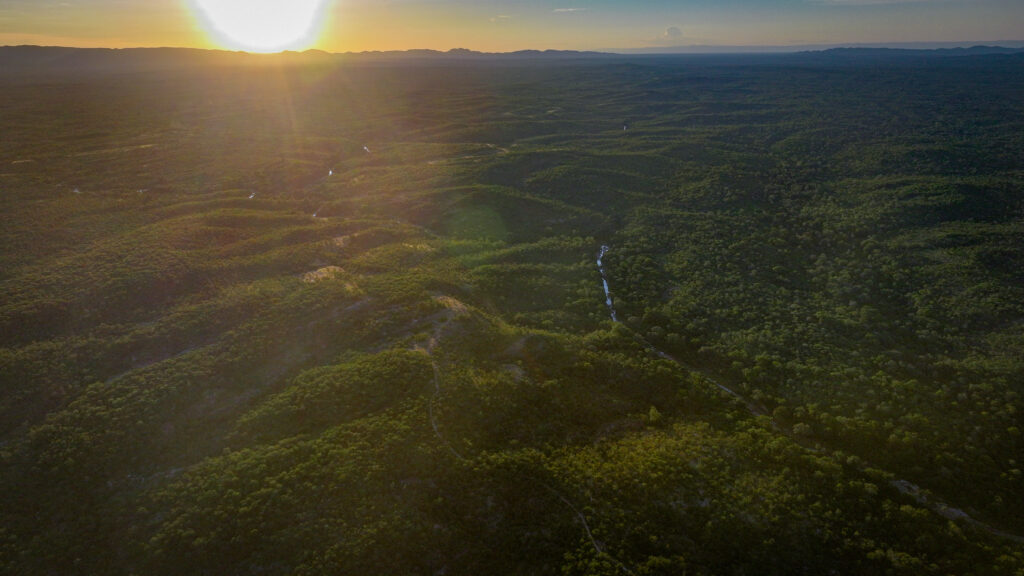
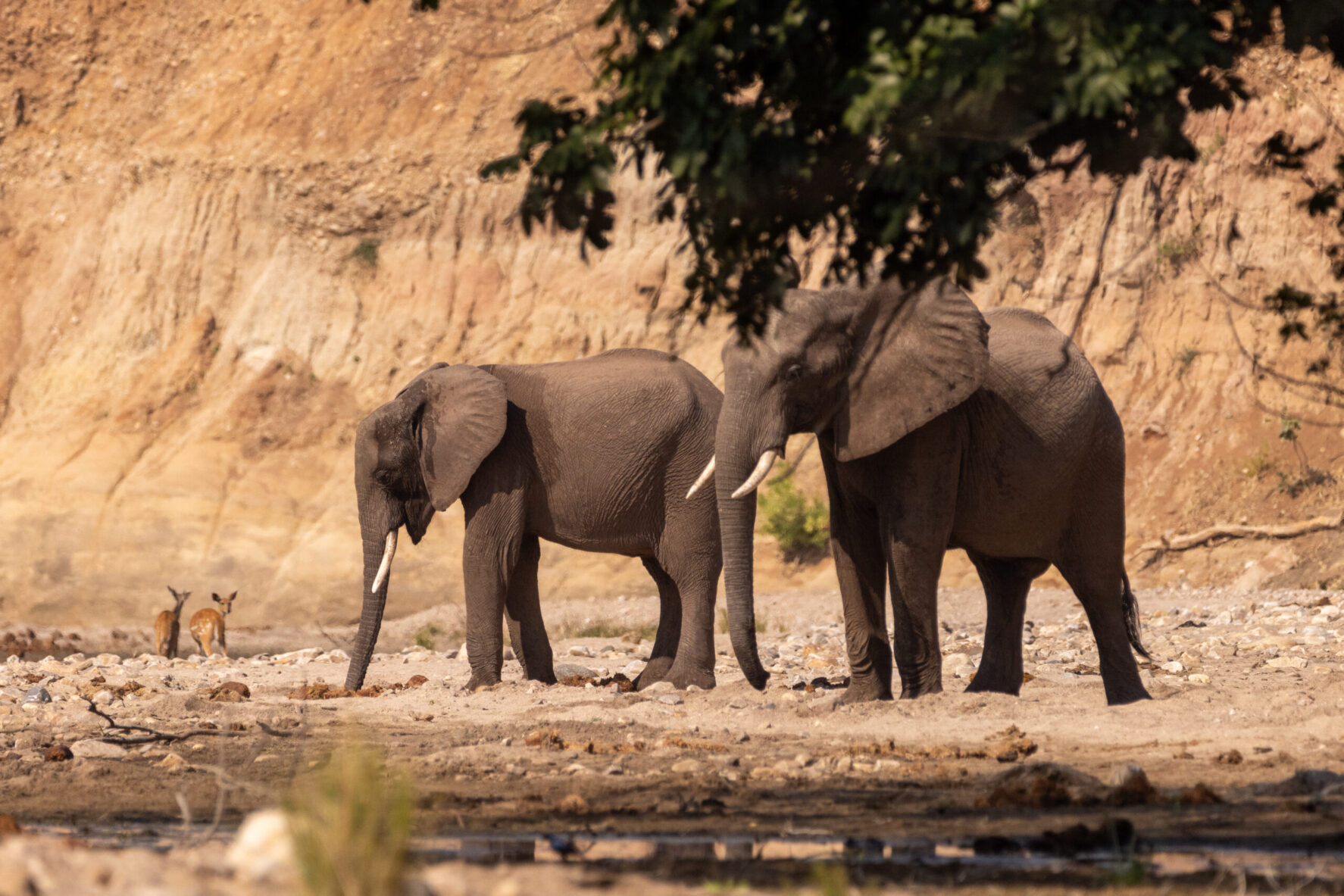
Chewore South is one of Africa’s last intact wilderness areas with rich biodiversity. From 22-26 September 2025, the Awe for Nature Foundation and CCT in partnership with the Zimbabwe Parks and Wildlife Management Authority (ZimParks) conducted an aerial census of elephants and other large game in Chewore South Safari Area to establish a baseline for wildlife populations. The survey, which covered 978 km² of eligible terrain recorded 1,624 elephants (Loxodonta Africana), 875 buffalo (Syncerus caffer) and other herbivores. The results have the potential to shape conservation policies, decisions and bring nature finance solutions to the ground.
Aerial survey data on elephants and other large game are more than just headcounts as they serve as the primary scientific baseline for how nations report their progress to the Convention on Biological Diversity (CBD).
To deep dive into why the Chewore aerial survey matters in wildlife conservation, the Awe for Nature Foundation’s Communications Lead Ndanatsiwa Tagwireyi interviewed the CCT Conservation Manager Dr Paradzayi Tagwireyi (not related to the writer). To him, seeing 1,624 elephants recorded in one landscape was both reassuring and humbling; noting the images of family groups moving across Chewore reminded him that conservation is not abstract- it is about real lives and real ecosystems.

Q: Why was it critical to conduct this survey specifically in the Chewore South Safari Area?
Dr Tagwireyi: Chewore South Safari Area sits within the Lower Zambezi Valley, one of Africa’s most important elephant landscapes. Without reliable data, conservation decisions risk being based on assumptions rather than evidence. This survey established a scientifically sound baseline for elephants, buffalo, and other large wildlife and identified signs of illegal activity. In short, it provides managers, donors, and policymakers with credible numbers to guide protection efforts, monitor trends over time, and ensure this vital ecosystem remains secure for future generations.
Q: How do the 2025 results help establish a baseline for the new Chewore Conservation Trust (CCT) management model?
Dr Tagwireyi: The 2025 aerial survey provides the first robust population baseline under the Chewore Conservation Trust’s new management approach. With 1,624 elephants and 875 buffalo recorded and normal elephant mortality levels confirmed, CCT now has credible data to track ecological outcomes over time. This is especially important as Chewore moves to innovative finance through biodiversity credits and transitions from trophy hunting. The data allow CCT to demonstrate measurable conservation impact, build investor confidence, and ensure that wildlife recovery becomes the foundation of long-term sustainability.
The 2025 survey builds upon prior surveys conducted under the United Nations Development Programme (UNDP) and the Global Environment Facility (GEF) 6 project in 2021 and 2024 within the Chewore region. In modern conservation practices, having updated and consistent data is vital for informed decision-making. The 2025 survey results contribute to that dataset and can be used to guide the development and implementation of the CCT conservation practice
Q: While the census tracked large game, why was the emphasis on elephants?
Dr Tagwireyi: Elephants are ecological engineers; they shape vegetation, water access, and habitat structure across entire landscapes. Their population trends signal the overall health of the ecosystem. In Chewore, elephants are also central to the Animating the Carbon Cycle (ACC) concept, which links wildlife, vegetation dynamics, and carbon storage. Healthy elephant populations influence forest structure and nutrient cycling, affecting how carbon moves through the system. By prioritising elephants, the survey strengthens both biodiversity management and emerging climate-linked conservation strategies.
Q: Tell us more about the methods used during the survey and the effectiveness they brought.
Dr Tagwireyi: We used a systematic aerial strip-transect method; a survey technique used to estimate the abundance of a species such as elephants in a specific area. A Cessna 182 aircraft flew low and slow along evenly spaced flight lines, allowing trained observers to count animals within clearly defined viewing zones. This prevented double-counting and ensured full landscape coverage. Because some animals may be hidden by vegetation, we applied established correction factors to estimate true numbers. The method adheres to international MIKE standards and enabled us to generate reliable, defensible data across nearly 1,000 km² in just five days.
Q: Chewore is known for its steep escarpments and dense riverine forests. What were the biggest logistical challenges the flight crews faced during this specific survey?
Dr Tagwireyi: Chewore’s rugged escarpments and dense riverine forests limit visibility and require precise low-level flying. Crews navigated gusty late dry-season winds, strong sun glare in the morning and long hours of intense concentration. Air sickness was also a factor during repeated tight turns and low-altitude flights. Maintaining consistent altitude and speed over uneven terrain demanded skill and coordination. Despite these challenges, careful planning and experienced crew members ensured safe operations and high-quality data collection.
Q: Briefly summarise the findings of the survey and explain how they can potentially influence the future of conservation in Chewore South and Africa in general
Dr Tagwireyi: Whilst the 2024 aerial survey done by other development partners recorded approximately 1,409 elephants within Chewore South, the 2025 survey recorded 1,624 elephants. This indicates that the elephant population density in Chewore South is stable to slightly increasing. These findings support evidence-based management, innovative finance through biodiversity credits and non-extractive conservation models. In Chewore and potentially across Africa, credible data can shift conservation toward measurable impact, climate integration, and long-term ecosystem stewardship.
However, it is important to note that elephants in Chewore South represent a shared population within the broader Zambezi Valley landscape. Therefore, conducting a landscape-level survey would provide an even more comprehensive understanding of elephant population dynamics.
Q: How will the results of this census be used to validate biodiversity credits or other nature finance tools Awe for Nature Foundation is piloting?
Dr Tagwireyi: The census provides verified wildlife population baselines, especially for elephants and buffalo, against which future ecological gains can be measured. biodiversity credits require credible, trackable impact data. These results allow Awe and CCT to demonstrate measurable conservation outcomes, strengthen investor confidence, and link financial returns directly to real improvements in ecosystem health and wildlife recovery.
Q: How did the partnership with the Zimbabwe Parks and Wildlife Management Authority shape the execution of this survey?
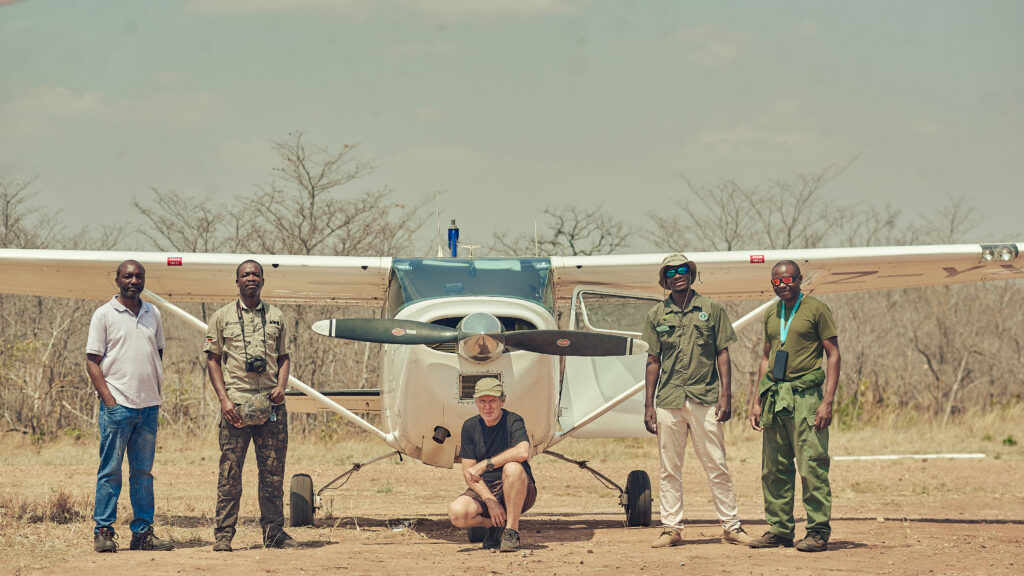
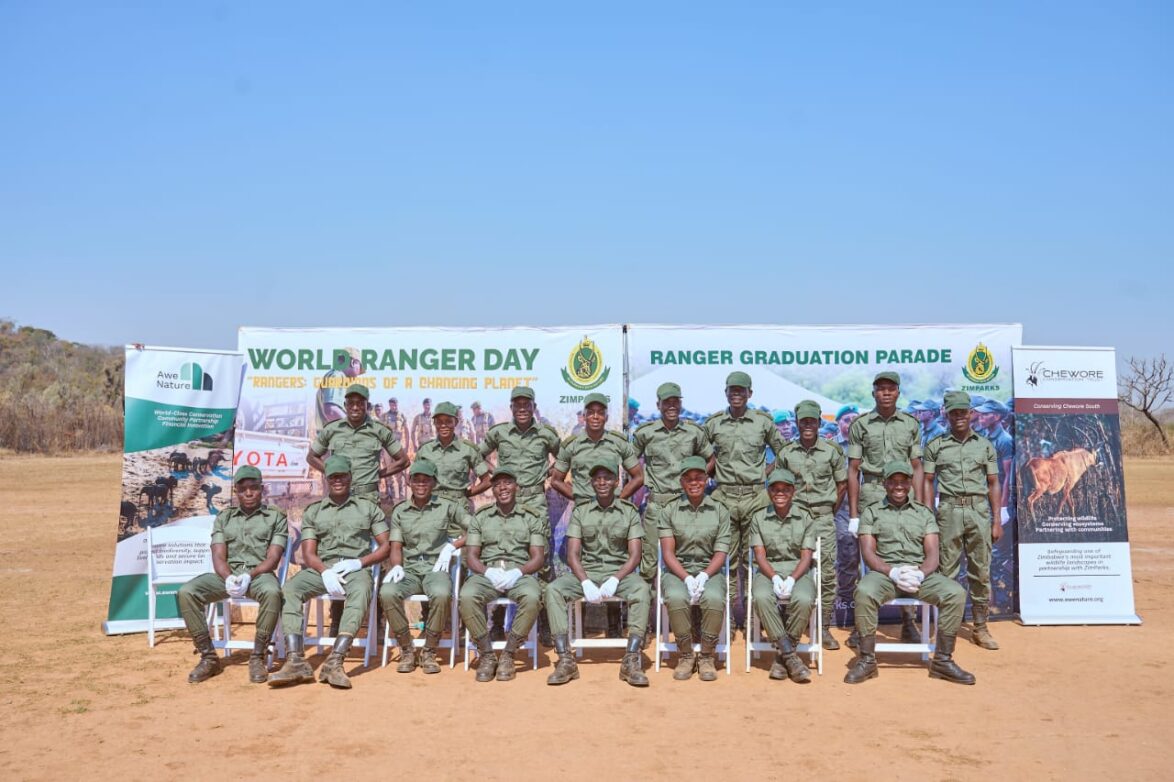
Dr Tagwireyi: The partnership with the Zimbabwe Parks and Wildlife Management Authority (ZimParks) was fundamental. ZimParks facilitated the issuance of the required research and flight permits, ensuring the survey was legally compliant and nationally endorsed. Their technical expertise, field coordination, and observer participation strengthened the credibility of the data and operational safety. By working collaboratively, the survey aligned with national conservation priorities and ensured the results could directly inform both Chewore management and broader wildlife policy in Zimbabwe.
Find out more about why we work in Chewore South