Earlier this month, our Community 4 Nature (C4N) project team joined the Masoka community on a journey of shared learning and discovery – completing the Participatory Research Phase (PRP). This exercise marks a key milestone in ensuring that the community’s lived realities and voices remain central to environmental stewardship, as we explore a new conservation model and potential finance streams for Chewore South.
This exercise followed the launch of the C4N Project in August 2025 under the Utariri Integrated and Adaptive Biodiversity, Climate and Livelihoods Programme, funded by the Embassy of Sweden to Zimbabwe through DanChurchAid. It marks the culmination of C4N’s first four-month feasibility study, designed to assess the potential of biodiversity credits as an income stream rooted in science, Local Ecological Knowledge (LEK), and community leadership.
Why participation matters
Participatory approaches ensure that local voices, knowledge, and lived experience sit at the heart of design and decision-making and ensure that sustainable conservation finance is community-driven, inclusive, and reflective of on-the-ground realities.
By recognising residents as co-researchers and co-producers of knowledge, the PRP has helped build respect, inclusion, and trust – foundations essential for any long-term partnership between the Chewore Conservation Trust (CCT) and the Masoka community.
What the PRP involved
The five-day workshop, led by an experienced participatory facilitator fluent in Shona, brought together 61 participants – 31 men and 30 women – representing diverse groups including traditional leaders, spirit mediums, youth, women, persons with disabilities, and human–wildlife conflict survivors.

Activities combined discussion, analysis, and exploration to map Masoka’s landscape, relationships, and aspirations:
- Social mapping and peace-building – analysing relationships, power, and drivers of human–wildlife conflict while identifying key stakeholders.
- Landscape mapping – collectively identifying resources, sacred sites, wildlife corridors, infrastructure, and areas of tension or opportunity.
- Community walks – visiting culturally and ecologically important sites such as Dendamaro, Chemapango, and Mtowe to explore ancestral heritage, environmental change, and spiritual values.
- Focus group discussions (FGDs) – one with women on water access, safety, and household priorities, and one with youth on conservation values and future aspirations.
These sessions fostered open dialogue, surfacing community insights that rarely appear in conventional research. As one participant reflected, “when we draw the maps ourselves, we see that the story of our land belongs to all of us”.

Key themes emerging
Water access and safety
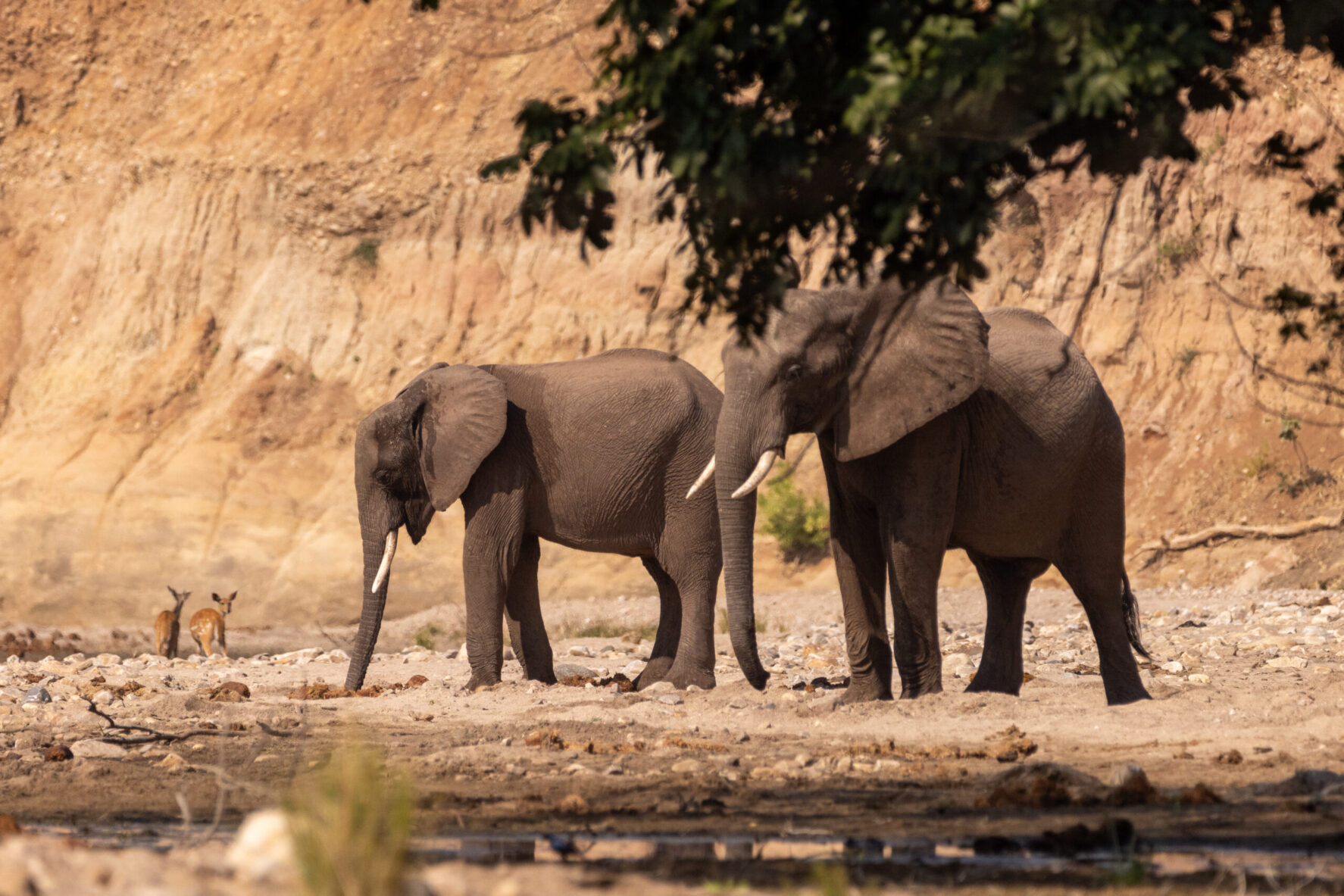
Across all discussions, water scarcity and contamination emerged as the most urgent concern. Women described collecting water from wells dug in the Angwa riverbed – often shared with elephants and contaminated by animal waste. Many reported fears of crocodile attacks and diseases from unclean water. Reliable boreholes and water-harvesting solutions were identified as top priorities, echoing CCT’s recent investment in a new borehole and piped water system.
Human–wildlife conflict (HWC)
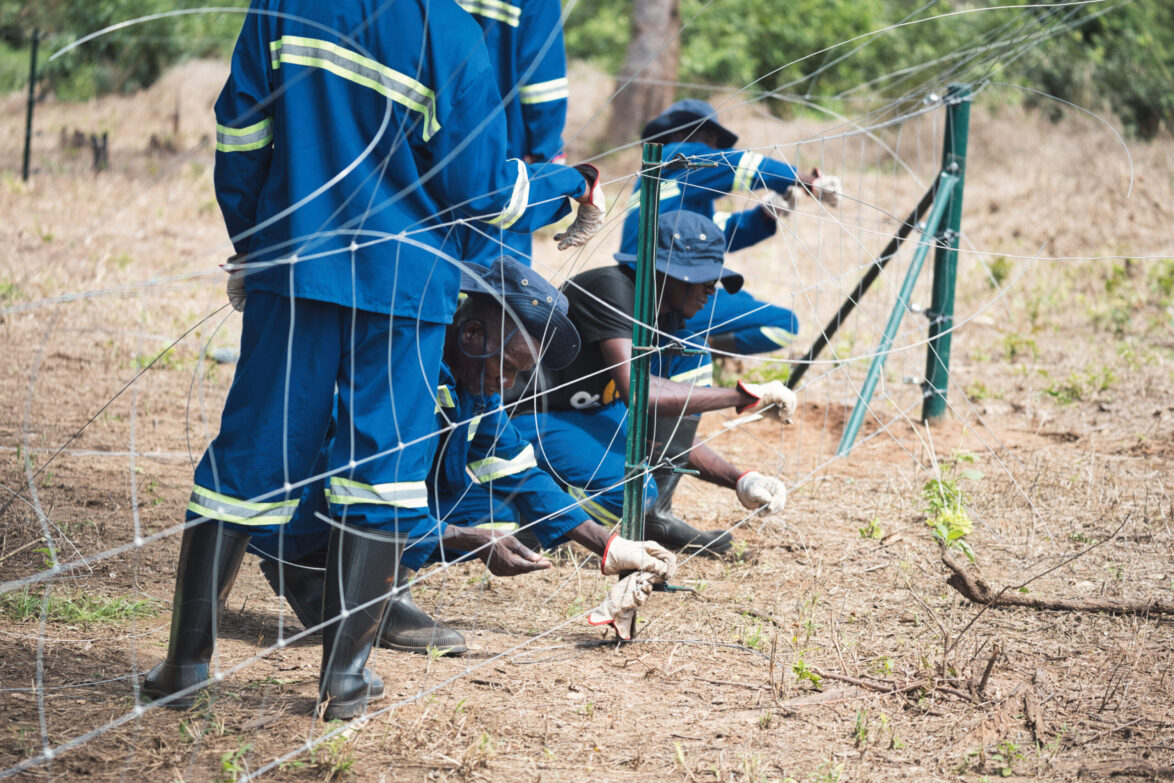
Elephant raids, livestock losses, and crocodile attacks were cited as major threats. Participants highlighted that HWC is not only ecological but also a governance issue, shaped by inequitable benefit-sharing and slow institutional responses. Proposed community-led solutions included fencing, new water points for both people and wildlife, awareness campaigns, and stronger Problem Animal Control (PAC) systems.
Local Ecological Knowledge (LEK)
The community demonstrated deep ecological awareness – reading signs such as the flowering of the Murowe tree to predict rain, observing animal movements as seasonal indicators, and protecting sacred forests where biodiversity flourishes. Mapping and walks revealed sacred sites like the Kasirori baobab and Mtowe fig tree, protected by tradition and taboo, which could serve as natural monitoring points for future biodiversity credits.

Governance and trust
Actor-relationship mapping exposed a trust deficit between local people and formal institutions. Participants voiced frustration at limited consultation and lack of transparency in wildlife benefit distribution. Their message was clear: “Nothing for Masoka, without Masoka.” The PRP process itself became a step toward rebuilding that trust.
Inclusion and empowerment
For many women and youth, the PRP marked the first time they had been invited to a community project meeting. Dedicated spaces enabled them to speak freely, and facilitation techniques helped ensure that every voice was heard. This inclusive approach fostered confidence and ownership, laying the groundwork for future training in leadership and citizen science.

Lessons and reflections
The PRP confirmed that participatory research works. It provided a safe environment for honest conversation, enabled the surfacing of sensitive issues such as governance and trauma, and strengthened social cohesion. The process also underscored the need for:
Continued capacity-building for women and youth to enhance leadership and participation.
Follow-up validation meetings to ensure findings are accurately reflected and owned by the community.
Development of multi-stakeholder mediation platforms to improve communication between local people, Mbire RDC, Zim Parks, and safari operators.

What’s next
Phase Two of C4N will build directly on these findings. Planned next steps include:
Establishing a Memorandum of Understanding between CCT, CAMPFIRE, CCAZ and Mbire RDC.
Developing a business and project plan for biodiversity credit generation, including community benefit mechanisms.
Adapting the Animating the Carbon Cycle (ACC) methodology for Masoka, combining scientific and community-led monitoring.
Training local eco-monitors and citizen scientists to collect biodiversity data using both ACC tools and LEK indicators.
Designing an environmental education and science hub to engage schools and youth in conservation learning.

Looking forward
The PRP has laid a strong foundation for a new model of conservation partnership – one built on co-design, shared evidence, and mutual accountability. It demonstrates that when communities are equal partners, conservation becomes more just, more informed, and more sustainable.
As analysis continues, the insights gathered during the PRP will guide the next phase of C4N, shaping a future where the people of Masoka – their knowledge, their priorities, and their resilience – lead the way in protecting both livelihoods and biodiversity.